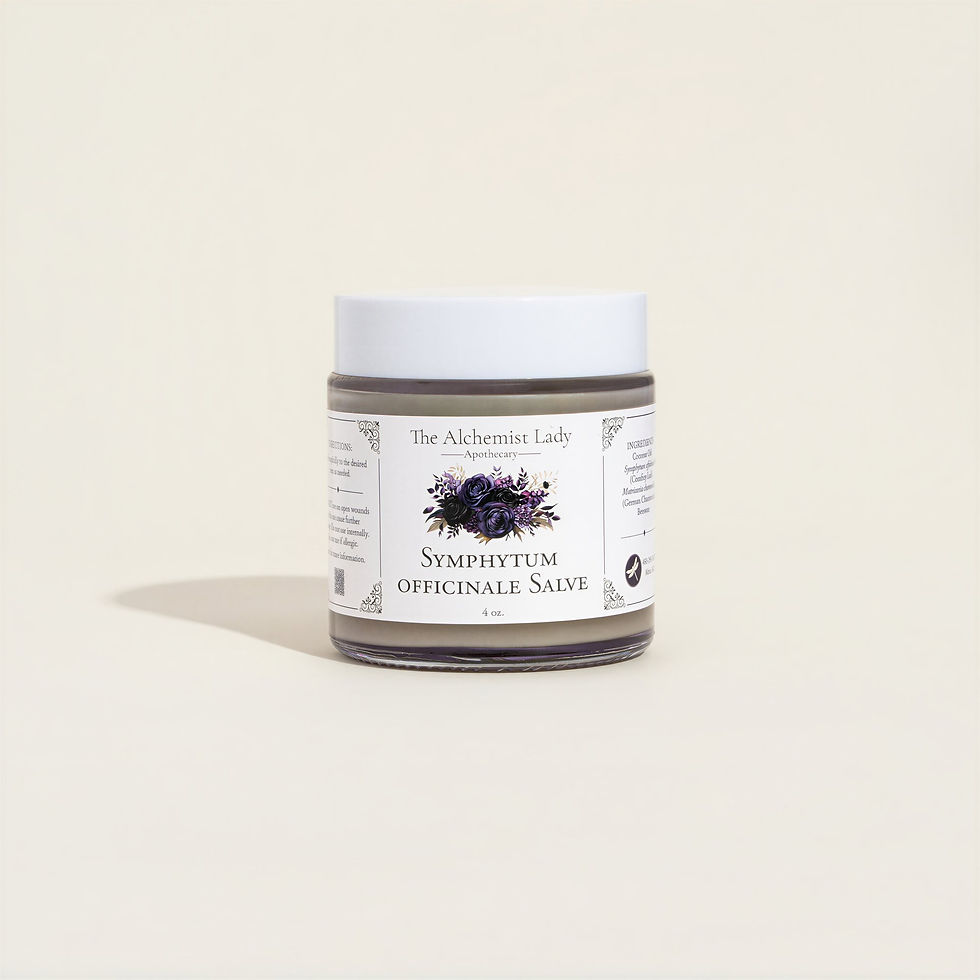
Symphytum Officinale Salve
For centuries, Symphytum officinale, better known as comfrey, has earned a reputation as one of herbalism's most valued skin-supporting plants. Modern research is beginning to explain why.
My Symphytum Officinale Salve is handcrafted using comfrey-infused oils to create a rich botanical salve that supports the skin's natural renewal process. Comfrey is naturally rich in allantoin, a compound that has been shown to encourage healthy cell proliferation and support normal tissue regeneration. This makes it a favorite in my home for areas that need a little extra care after bumps, bruises, or everyday wear and tear.
Emerging research also suggests that compounds found in comfrey may help support healthy circulation within the skin and encourage efficient cellular respiration—the process cells use to produce the energy needed for repair and renewal. By supporting the skin's own restorative processes, comfrey has become a trusted herbal ally for maintaining healthy, resilient skin.
This salve is especially popular for:
Supporting the appearance of bruising
Nourishing dry, overworked skin
Comforting areas after minor bumps and strains
Supporting the skin's natural renewal process
Daily skin barrier support
Unlike products filled with synthetic ingredients, this salve relies on the remarkable chemistry of one of nature's most studied traditional herbs.
Matricaria recutita
German Chamomile, chamomile, wild chamomile
Asteraceae (formerly Compositae)

Parts Used
Flowers

Native To
Temperate regions of Asia & Europe

Preparations
Infusion, Essential oil, Extract, Tincture
Primary Constituents
Organic Acids
4 Primary metabolites
22 secondary metabolites
Flavonoids
Quercetin
Apigenin
Luteolin
Rutin
Coumarins
Volatile Oils
Monoterpenes, Sesquiterpenes, Diterpenes & Triterpenes
Therapeutic Actions
analgesic | antiallergy | antibacterial | anticancer |
antidepressant | antidiarrheal | antiflammatory | antifungal |
antihypertensive | antimicrobial | antioxidant | antispasmodic |
antithrombotic | cosmetic | diuretic | gastroprotective |
genitoprotective | hepatoprotective | hypoglycaemic | hypolipidaemic |
nephroprotective | nervine | neuroprotective | organoprotective |
pulmoprotective | sedative |
Common Uses
Weight management
Cardiovascular disease
Immune system support
Nervous system support
Diabetes management
Allergies
Stomach issues (gas, digestive support)
Skin support
Muscle support (stiffness, ache)
Contraindications & Safety
GRAS safety rating
May cause an allergic reaction
Limited information regarding safety during pregnancy and breastfeeding
Possible interaction with warfarin
.jpg)
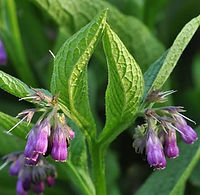
Symphytum Officinale
Comfrey, bone knitter, boneset
Boraginaceae

Parts Used
Leaf and root

Native To
Europe and Asia

Preparations
Topical oitnments/salves
Primary Constituents
Allantoin
Phenoic acids
Rosmarinic
p-hydroxybenzoic
caffeic
chlorogenic
p-coumaric acids
Saponins, tannins, alkaloids, amino acids, and others
*Constituents also vary based on whether the leaf or root was used
Therapeutic Actions
analgesic | anitfungal | antiexudative | anti-inflammatory |
antimicrobial | antioxidant | antiviral | hemostatic |
Common Uses
Breaks/sprains
Rheumatism
Liver support
Gastritis
Ulcers
Blunt abrasions
Skin disorders
Contraindications & Safety
Consumption (infusions, extracts, tinctures) is linked to hepatotoxic reactions and is not recommended.
.jpg)
For educational purposes only. These statements have not been evaluated by the FDA and are not intended to diagnose, treat, cure, or prevent disease.